

Port operations run on a lot of prediction. Berth schedules, dredging windows, crane sequencing, vessel turnaround all depend on someone estimating what happens next. That someone has usually been a person with years on the job, not a piece of software. Artificial intelligence is now taking on a growing share of that work, and the shift is changing how marine infrastructure gets designed, built and run.
The change is most visible in the Gulf. AD Ports Group recently opened an AI-driven operations hub at its Digital District in Zayed Port, built to bring AI improvements into berth allocation, vessel arrival planning, and day-to-day decision-making across its terminals. The Group, which has already set a Guinness World Record for the scale of its AI deployment within a single logistics facility, plans to extend the same approach across twenty separate workstreams over the coming months. It is a clear signal of where regional operators see the most value: AI embedded into the routine decisions that determine how quickly a port moves cargo, rather than confined to a single flashy application.
That pattern holds up across the wider region. Deloitte’s most recent “The State of AI in the Enterprise” report found that around 50% of workers in the Middle East have direct access to sanctioned AI tools, and expectations for scale are high: the number of companies with more than 40% of their AI projects in production is set to triple within months.
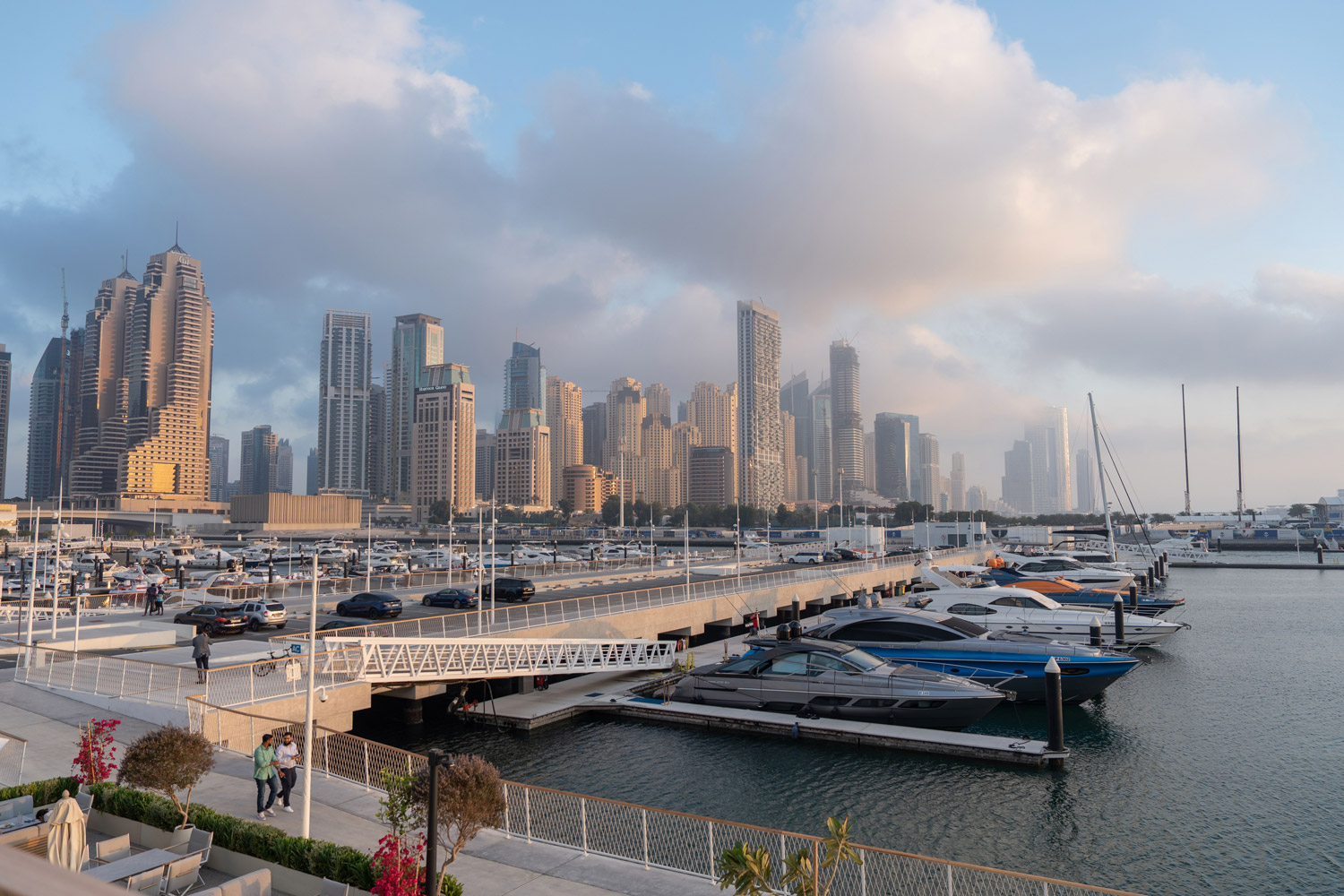
Where AI earns its place in engineering
For infrastructure-heavy sectors like ports and marine works, that pace of adoption matters because it changes the baseline against which new projects get judged. Clients increasingly expect digital tools to be part of the design conversation from the earliest planning stages.
When it comes to engineering firms, the practical value of AI sits less in headline numbers and more in three areas: modeling, monitoring, and maintenance. On the modeling side, machine learning can process larger volumes of wave, current, and sediment data than traditional methods, allowing engineers to test way more design scenarios.
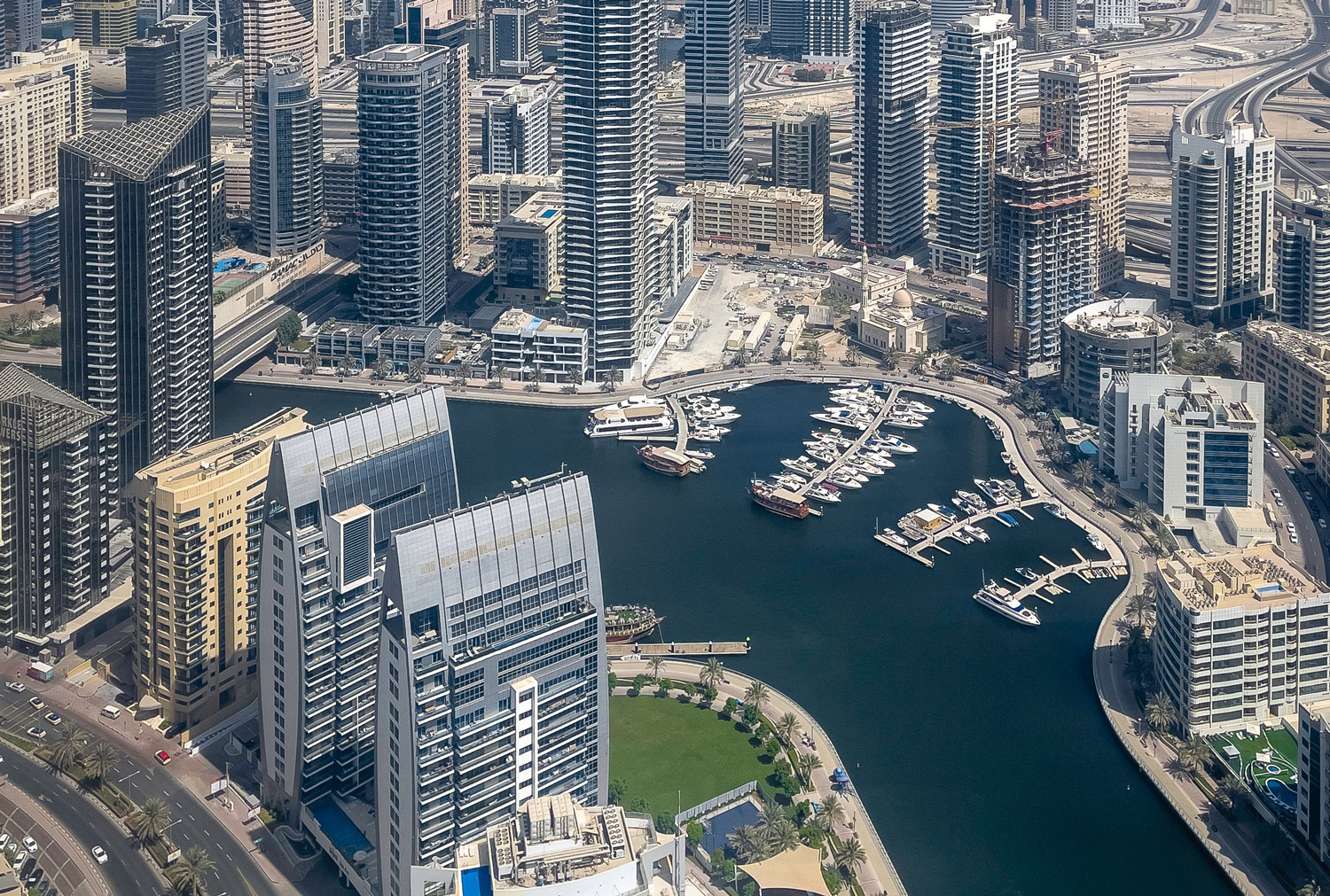
On monitoring, sensor networks paired with AI analysis can track the actual performance of a breakwater, jetty, or intake structure against its design assumptions, flagging potential problems before they become a reality. On maintenance, predictive models help asset owners schedule inspections and repairs around real wear patterns rather than fixed calendars, which tends to lower long-term costs.
These tools still leave plenty of room for engineering judgment. AI is only as good as the data and the assumptions behind it, and marine environments are full of conditions that resist easy modeling: storm behavior, seabed variability, the slow accumulation of sediment over years. What AI adds is the capacity to process more information faster, so that engineers can spend their attention on the decisions that truly deserve it.
The CWP Engineering approach
That’s the role AI plays in CWP Engineering’s work: support for analysis, guided by the same engineering judgment that has always driven the company’s decisions.
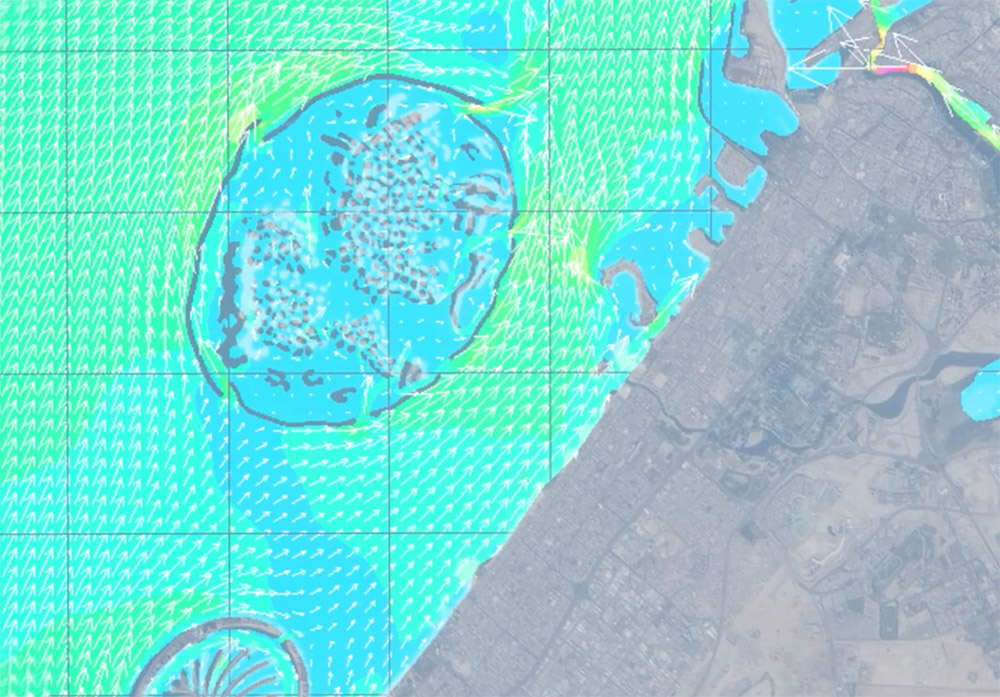
As ports across the Middle East scale up digital investment, from automated terminal operations to AI-assisted maintenance planning, marine infrastructure design is where that investment meets its most demanding test. Coastal and port projects involve long lead times and careful attention to local conditions. Bringing AI into that process, deliberately and with the right data behind it, is one of the more practical ways to make sure today’s infrastructure decisions hold up under tomorrow’s volumes.
The firms that get the most out of this shift will be the ones that are deliberate about what should not be automated. No one can deny that AI has made analysis faster and cheaper. Judgment on the coastline, however, is a different matter and in the end, it’s still what holds the structure up.