

By Francesco Ciardulli, Managing Director.
Before engineering became my profession, it was a relationship with place. I grew up near the water. Not as a spectator from a distance, but as someone who understood early that the sea operates on its own terms. It teaches you scale before you learn equations. It teaches you humility before you study forces. And it teaches you that consequences in coastal environments are measured not in years, but in generations.
That early exposure shapes how engineers think, whether they recognize it or not. Growing up near coastlines or ports gives you an instinctive grasp of systems that existed long before human intervention and will continue long after it. You learn that forces larger than any design are always at work. You see that mistakes in these environments don’t fade, they accumulate. This isn’t abstract knowledge. It’s learned through observation, and it stays with you when you move from student to practitioner.
There’s a difference between designing in a place and designing for it. The first approach treats location as a backdrop. A setting where solutions are imposed. The second, requires listening before acting. It means understanding what a place does, where natural systems provide resilience, and where intervention could create more problems than it should solve. Responsible engineering begins with observation. You don’t arrive with answers. You arrive with questions. Then, you let the place inform what comes next.
This principle is even stronger when working across different regions. No two coastlines behave the same way. What functions in one context can fail entirely in another. It’s more a matter of ignoring local dynamics than a matter of flawed engineering. I’ve seen projects across Europe, the Middle East, and Africa, and the lesson is consistent: respect for context isn’t optional. Solutions that work are the ones based on the specific conditions of each place. Exporting methods without understanding the environment is a form of arrogance, and coastal systems have a way of exposing that quickly.
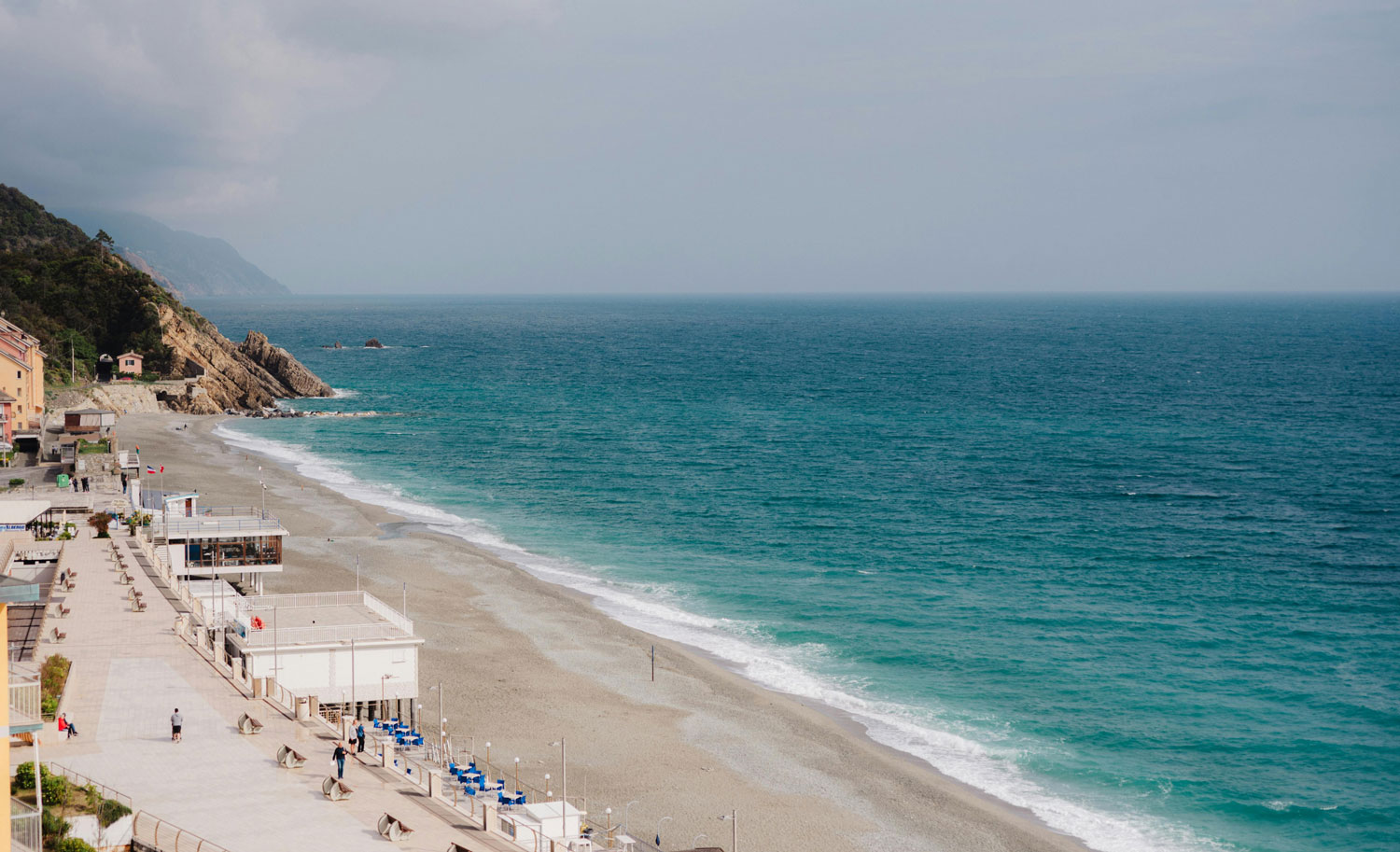
Place is a stakeholder that doesn’t sign contracts or attend meetings, but it remains long after everyone else has moved on. When a project concludes, when timelines are met and teams disperse, the coastline is still there. The community is still there. The environment continues responding to what was built, and those responses unfold over decades. That permanence demands a different kind of responsibility. You see, decisions made during design don’t expire.
Vision in engineering is about informed response. It’s shaped by what already exists; the physical conditions, the ecosystems, the people that depend on them. Real vision acknowledges constraints and works within them. It commits to solutions that serve not just immediate needs, but future ones. Leadership in this field means accepting that your work will be judged by how it performs fifty years from now – rest assured, the ribbon-cutting ceremony will go just fine. It almost always does.
I return to the sea often, not out of nostalgia, but as a reference point. It reminds me why humility matters in this work. It’s a system far more complex than any model can fully capture, and pretending otherwise leads to failure. Every major project I’ve been involved with, no matter how global its scope or sophisticated its methods, began with the same fundamental question: what does this place need? Not what can we build, but what should we build given everything this environment is telling us.
Engineering journeys don’t begin with credentials or ambitions. They begin with place. They begin with understanding that you’re working within systems that preceded you and will outlast you. That awareness doesn’t limit what’s possible. It clarifies it. And it ensures that the work we do today serves not just current clients, but the coastlines and communities that will live with our decisions long after we’re gone.