

The port of Naples has been a point of arrival and departure for centuries, and Molo Beverello, the city’s main passenger terminal, sits nowadays right at the center of that activity. When the Central Tyrrhenian Sea Port Authority commissioned the redevelopment of this facility as part of a broader upgrade of the port’s monumental area, the core challenge was already clear before a single drawing was finalized: this work would have to be done without disrupting the terminal’s operation.
CWP Engineering is acting as Construction Manager for the project, overseeing the full execution phase through to its scheduled completion in mid-2026. The role covers the full execution phase: coordinating contractors and subcontractors, monitoring progress, resolving technical issues, verifying materials and workmanship, and maintaining alignment between what was designed and what is actually being built.
Keeping the Port Running
Before any permanent construction could begin, a temporary terminal had to be in place. This facility was built to house the ticket offices of the hydrofoil operators, ensuring that passenger operations continued without interruption throughout the construction period. It is the kind of requirement that adds significant complexity to a project from the outset, because it means the construction program has to accommodate a live, functioning facility running directly alongside it.
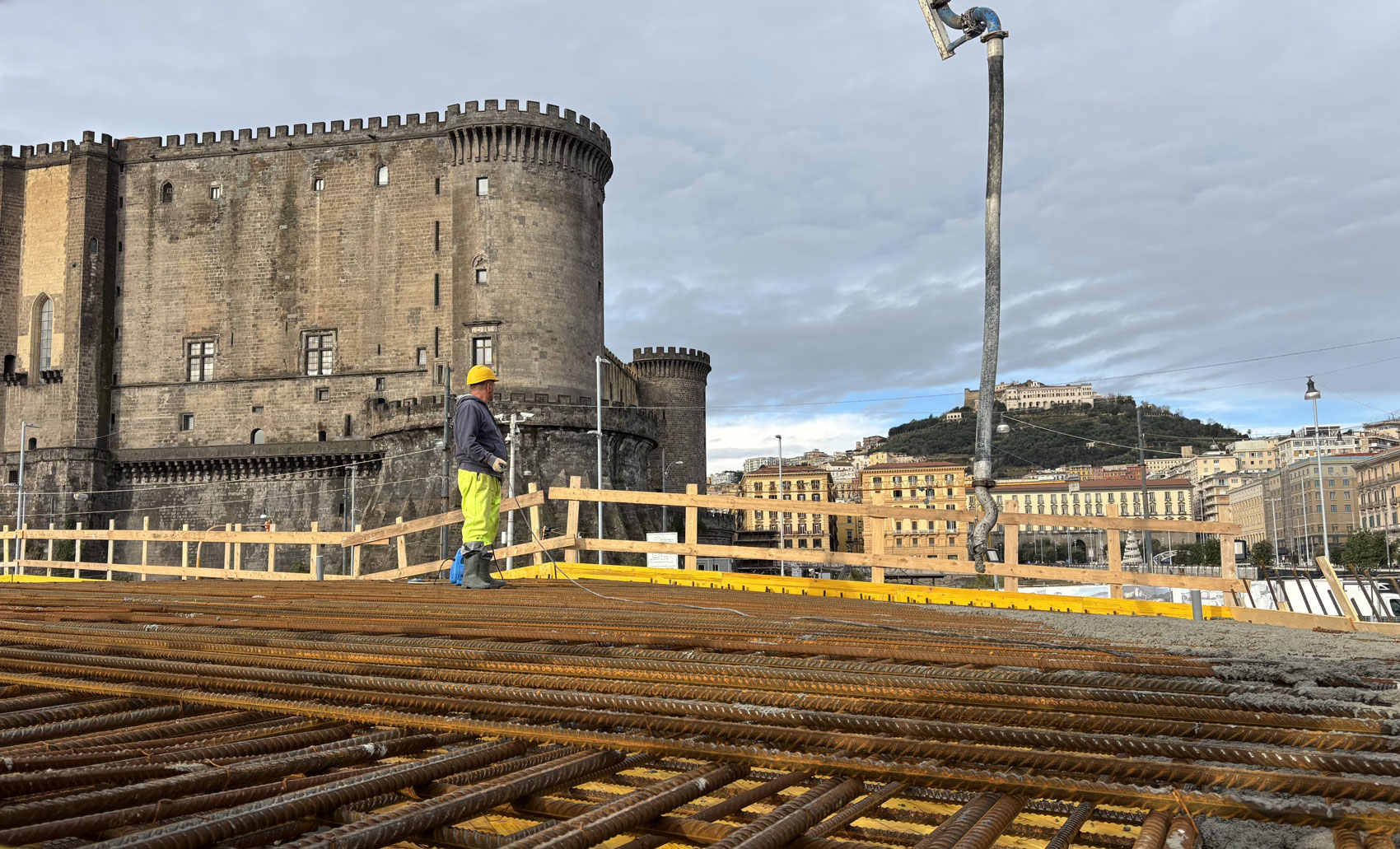
Although temporary, this structure had to meet the same safety, regulatory, and operational standards as anything permanent. Passenger circulation, accessibility, and interface with active marine traffic all had to be properly addressed. Getting this phase right was a prerequisite for everything that followed.
The Permanent Works
At the core of the project is the delivery of a new permanent passenger terminal, completed to full architectural finish, with integrated building systems throughout. Alongside it, a dedicated bar and refreshment facility forms part of the same infrastructure upgrade. The scope also includes comprehensive redevelopment of the external areas surrounding both structures, with improvements to circulation, accessibility, and the overall spatial quality of the port environment.
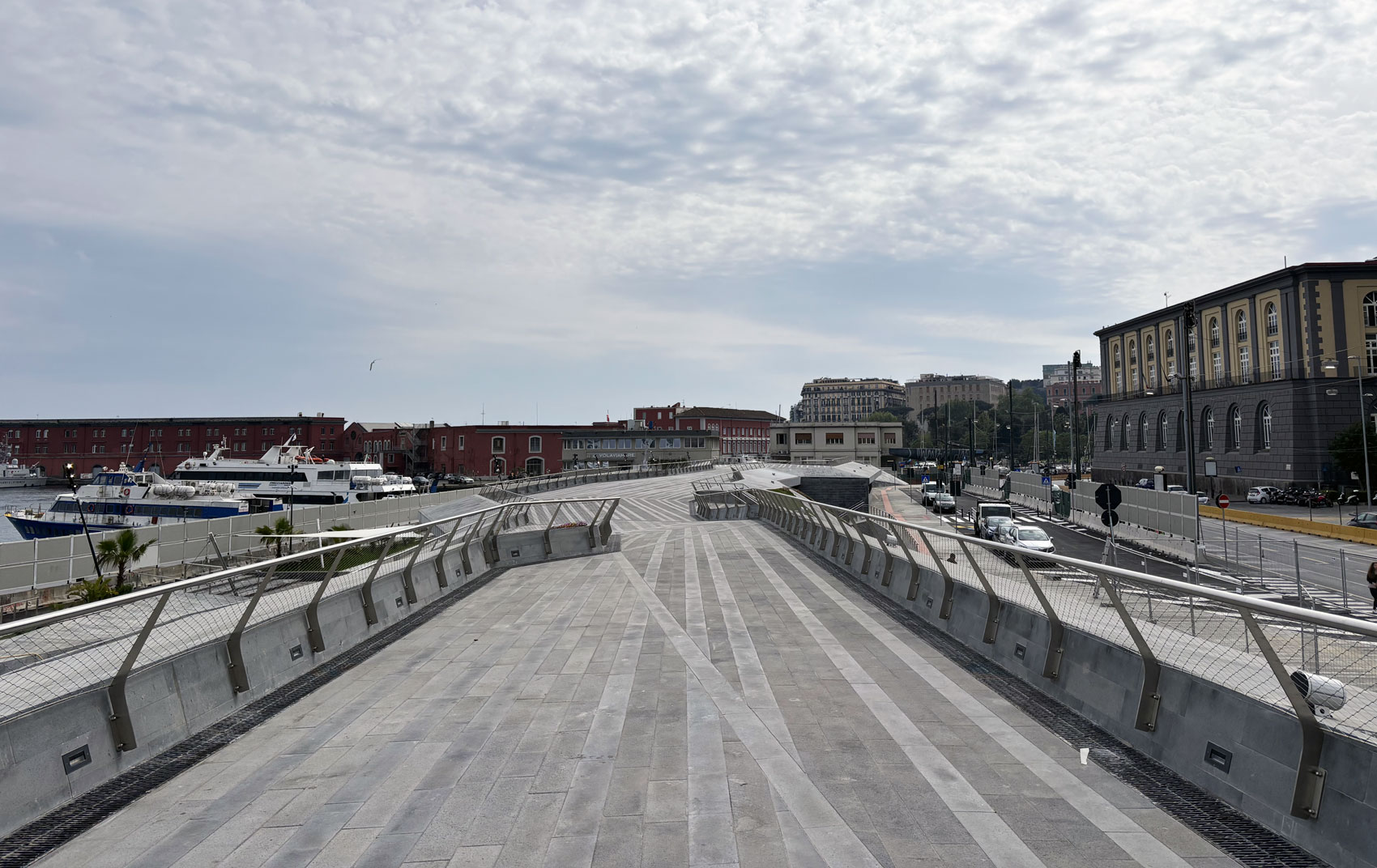
These are not independent elements. They form a connected program of works, and the interdependencies between them affect how the construction has to be sequenced and managed. Work in one area creates constraints for adjacent areas. Decisions made at one stage carry consequences for the next.
Construction Management in Practice
CWP Engineering’s on-site presence throughout the execution phase has focused on the coordination and technical oversight that keeps a project of this kind on track. This means continuous engagement with the main contractor and subcontractors. Aligning their activities, verifying that supplied materials meet the specified technical standards, and making sure that site operations comply with quality requirements, safety obligations, and established schedules.
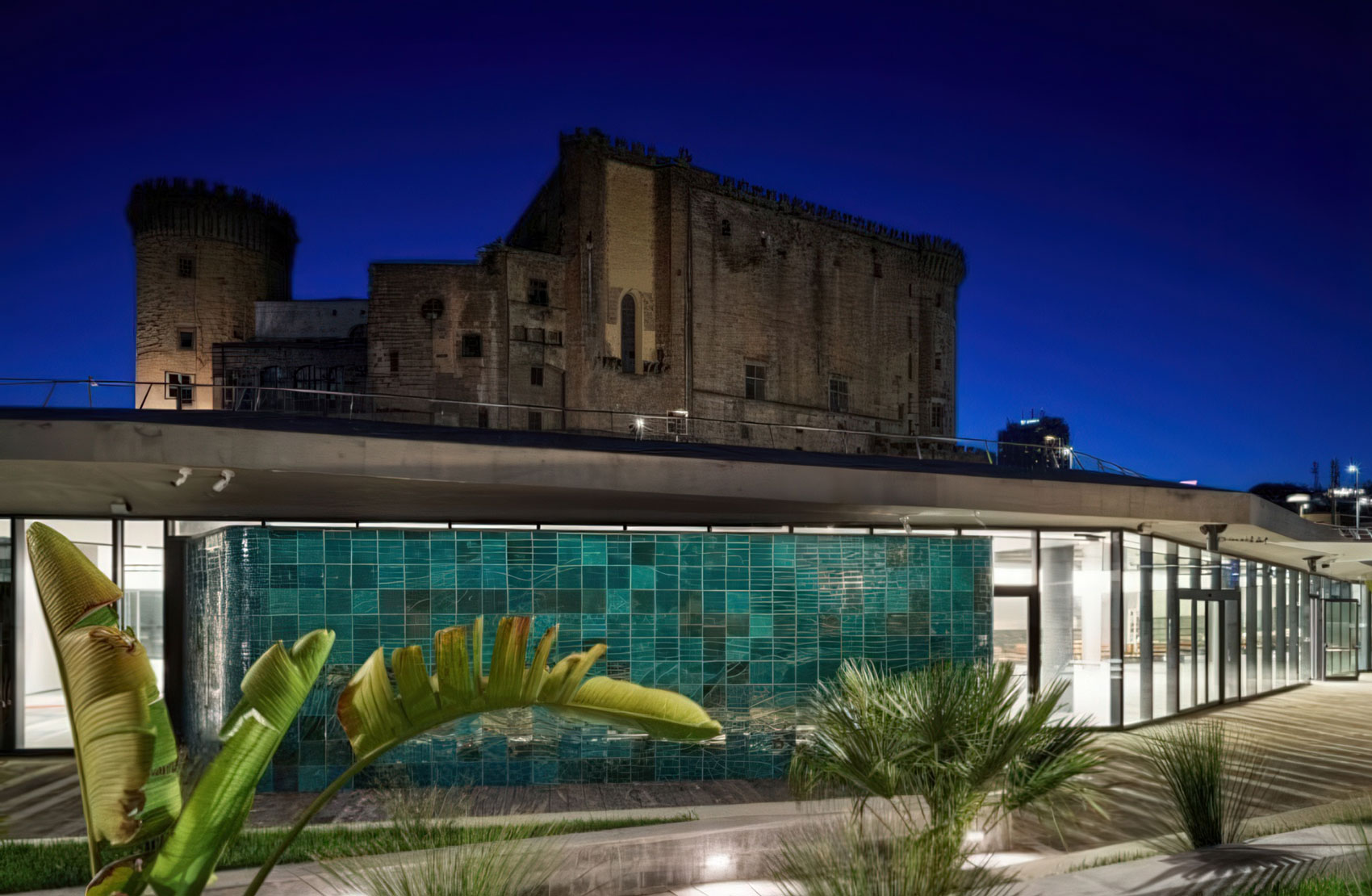
When deviations emerge — and on a multi-year project in an operational port, they always do — the role of the construction manager is to identify them early, assess their implications, and move quickly on corrective action. This requires close collaboration with the design team to resolve any discrepancies between design intent and site conditions, as well as the technical communication skills to provide clear direction to field personnel when execution questions arise.
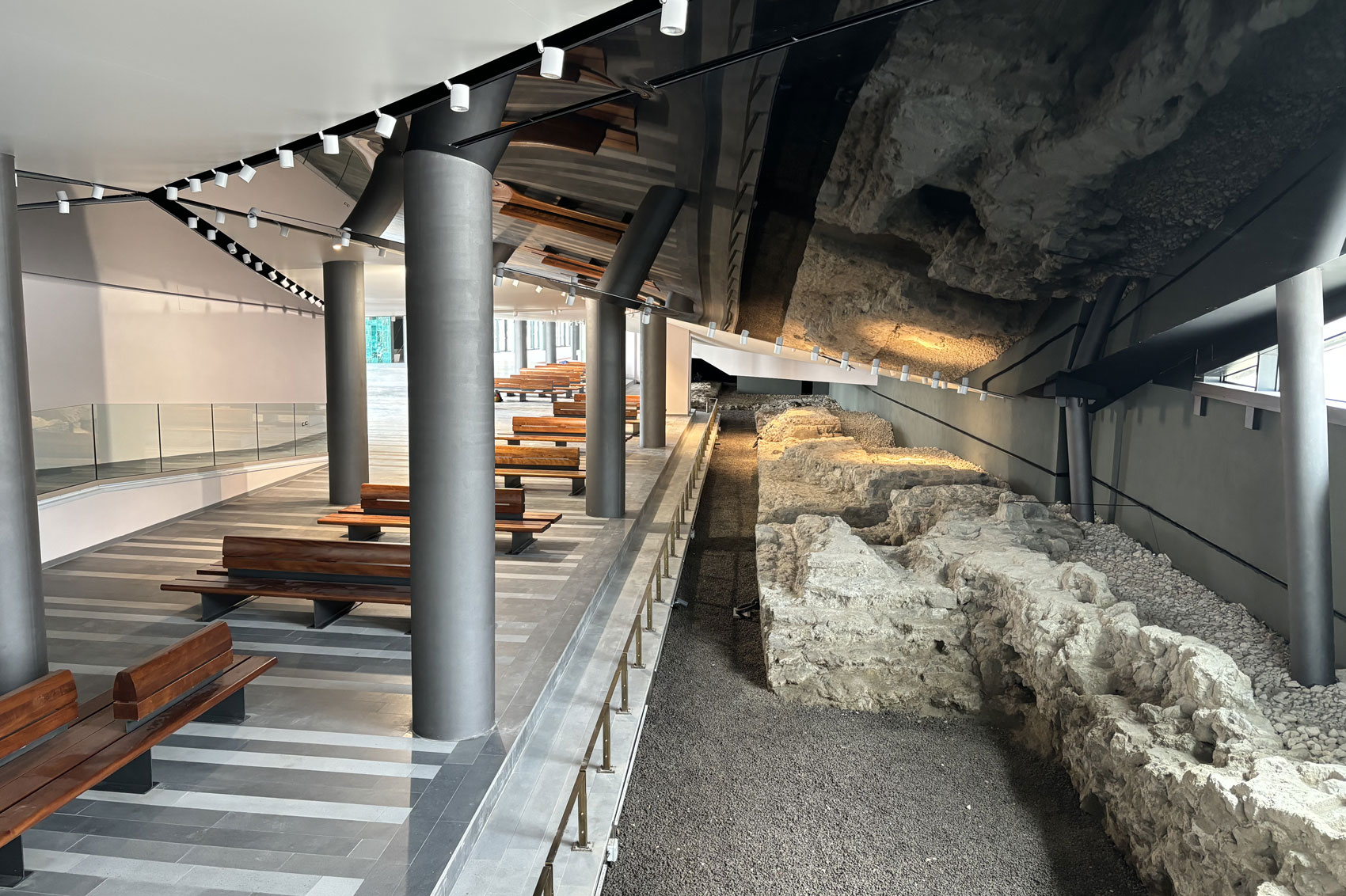
During the excavation works, for example, the remains of the Bourbon pier were uncovered — an unexpected architectural stratification that was subsequently preserved and displayed, transforming it into a tangible testimony to the port’s historical heritage.
The coordination layer also extends to the Works Supervisor and the Contracting Authority. Keeping all parties technically aligned throughout a long construction program, where priorities can shift and documentation has to remain rigorous, is work that rarely gets discussed in project narratives, but it is often where projects are won or lost.
The Real Benchmark
Molo Beverello carries a level of public and institutional attention that few port projects do. Naples is drawing increasing international focus, and with the America’s Cup scheduled for the city in 2027, the waterfront is already under scrutiny from a much wider audience than would typically follow a port infrastructure project.
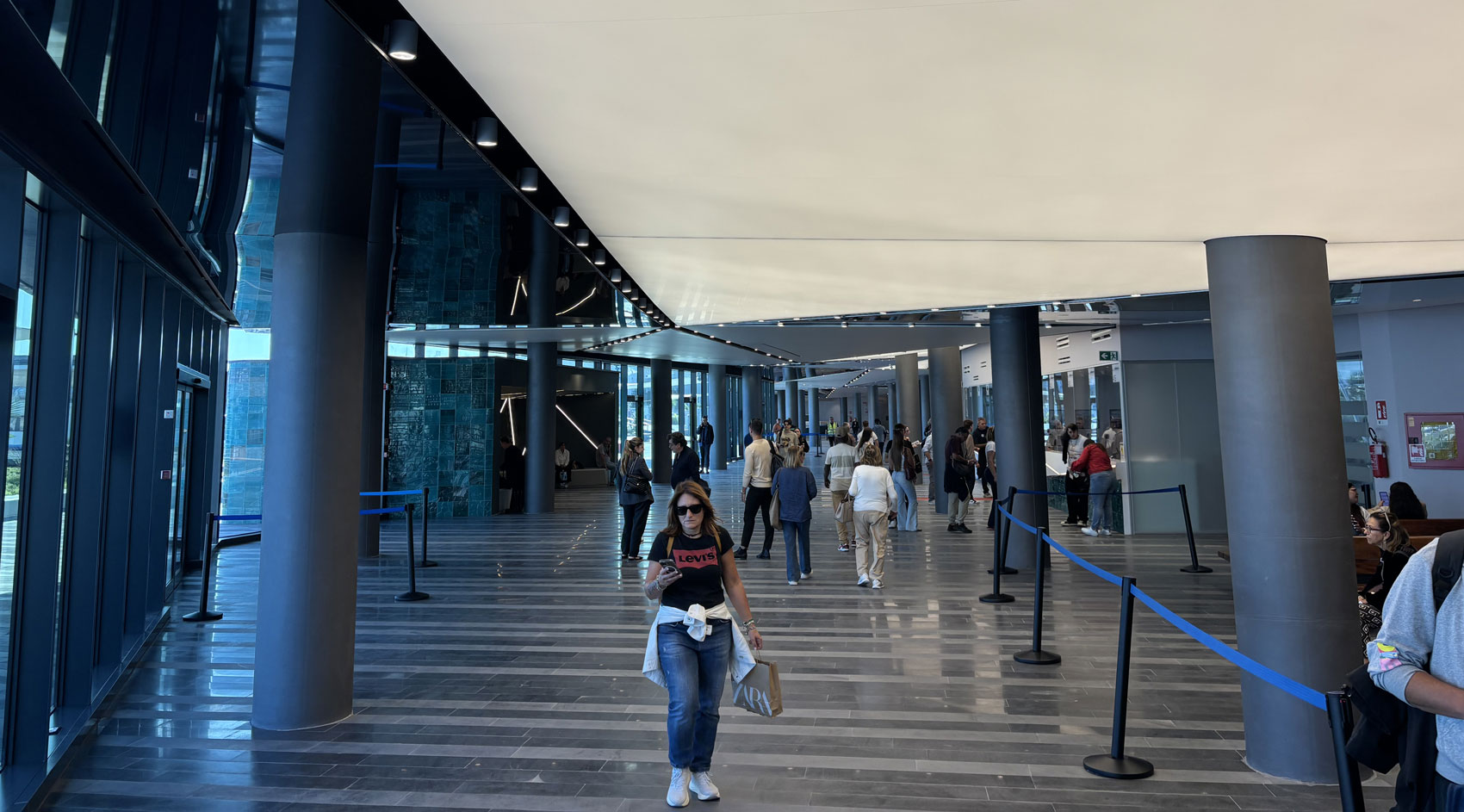
The new Beverello Terminal, completed and handed over to the Client in 2024, entered into operation the same year and is now fully operational, receiving extremely positive feedback from users. The new Maritime Station, forming part of the Naples Port Masterplan approved in 2004, is the first completed waterfront project aimed at reconnecting the city with its public spaces overlooking the Gulf, integrating port, commercial, and cultural functions while transforming this area from a degraded transit zone into a public space, mobility hub, and tourist destination.
The building dedicated to bar and refreshment services, which forms the second phase of the works, is currently nearing completion, and the entire intervention area will be fully operational and accessible well before the start of the America’s Cup.
Projects such as this provide a clear reminder of where the real value of engineering is created. Sound design methodology only produces lasting results when it is carefully managed throughout construction, within an operational and constrained environment subject to pressures that no program can entirely anticipate.
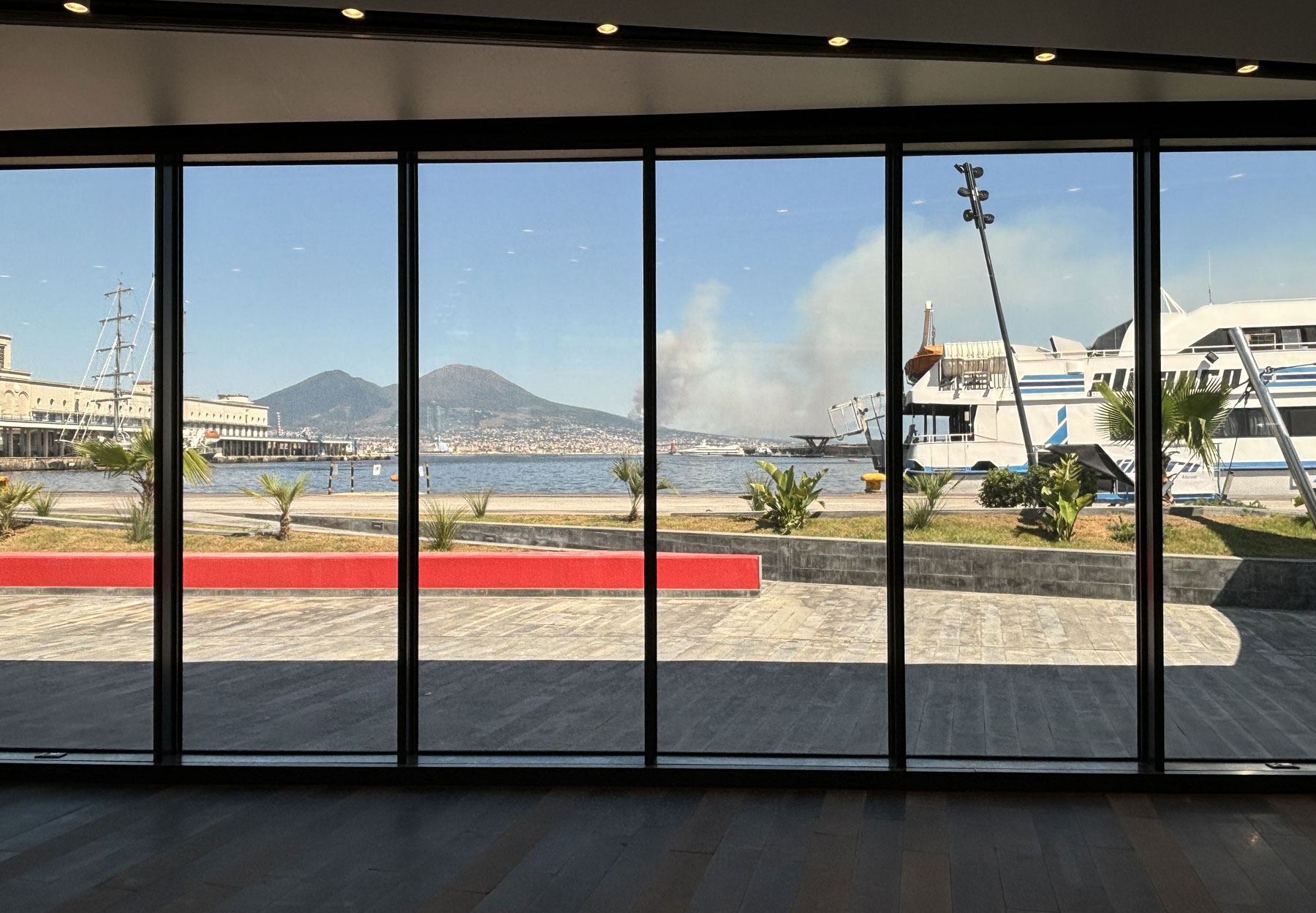
The new terminal represents both a contemporary landmark and an everyday public space. Its fragmented volumetric composition creates multiple views and perspectives, allowing visitors to simultaneously perceive the contemporary structure, the rediscovered historical remains, and the surrounding landscape. The building integrates delicately into the urban context, almost as though it had always belonged there.
What is determining the true success of the Molo Beverello project is not the inauguration day of the terminal itself, but rather how the infrastructure performs over time and the quality of the decisions made under pressure throughout a long and complex construction program.
This, ultimately, is the purpose of rigorous Construction Management. And it is what makes delivering complex projects in operational port environments both challenging and essential.